
Hurricanes can wreak havoc on everything, including your EV charger. Water damage from storms can cause serious safety hazards, especially if your charging equipment has been submerged. After a hurricane, it’s crucial to address post-hurricane flooding issues with your charger right away to avoid accidents or damage to your electric vehicle.
This blog will guide you on the immediate steps to take if your charging station gets flooded. Whether you’re using a DC fast charger or a home-installed unit, knowing what to do after a hurricane is key to protecting your investment and ensuring your vehicle’s safety. Let’s break down what to do when you find your EV charger underwater.
Why Flooded EV Chargers Pose Serious Risks
When your EV charger is exposed to floodwaters after a hurricane, serious risks arise. Water and electricity are never a safe mix, and a water-damaged charger can lead to more than just inconvenience. In fact, ignoring the issue can result in dangerous outcomes.
Here’s what can happen if a flooded EV charger goes unchecked:
- Electrical fires: Water inside a charging station increases the risk of short-circuits, sparking fires that can spread quickly.
- Malfunctioning equipment: Flooding can damage your electric vehicle charging system, causing it to stop working or, worse, deliver incorrect power levels to your electric vehicle.
- Safety hazards: Touching a flooded charger can put you at risk of electrical shock.
If you live in hurricane-prone areas like Florida, always be cautious and have a professional assess your EV charger before plugging it back in. Safety should always come first!
Steps to Take When Your EV Charger is Flooded
It’s crucial to act quickly if your EV charger has been flooded after a hurricane. Water and electricity don’t mix, and delaying action can lead to dangerous situations. Here’s what you should do:
1) Immediate Safety Measures
- Turn off the power to your charger if it’s safe. This helps prevent electrical fires or shocks.
- Contact a licensed electrician right away. Don’t attempt to use the charger until it’s been inspected by a professional.
2) Assessing the Damage with a Professional
A thorough inspection by an expert is vital. A licensed electrician or EV charger installation company can spot potential damage, like corrosion or signs of short-circuiting. They’ll assess whether the charger is safe to use or needs repair.
3) Repair or Replace the Flooded EV Charger
In many cases, water damage can make a charger unsafe to use. An installation company can evaluate if your EV charging station can be repaired or if replacing it is the better, safer option. This decision protects both your electric vehicle and your home from further damage.
If you’re in hurricane-prone areas like Florida, always prioritize safety and contact professionals before using a flooded EV charger.
Insurance and Warranty Considerations
After a hurricane, one of the first things to do is check if your EV charger is covered for flood damage. Many homeowners’ insurance policies in hurricane-prone areas, like Florida, may offer protection for damaged charging stations, but it’s crucial to review your policy or contact your provider.
Also, take a close look at your charger’s warranty. Some manufacturers cover repair or replacement costs for chargers damaged by floods. If your EV charger is under warranty, you could save on repair expenses, especially for higher-end fast chargers used for electric vehicles.
Before taking any action, reach out to both your insurance company and the charger’s manufacturer. They can guide you through the next steps, ensuring you’re not paying out-of-pocket for issues that may be covered. Always ask what’s included in your coverage so you can make the right move and decision about repairing or replacing your EV charger post-hurricane.
Preventative Measures for Future Hurricanes
Protecting your EV charger from future hurricanes is essential, especially in storm-prone regions. Acting before the next storm can save you from costly repairs and keep your charger safe.
Installing Weatherproof EV Chargers
Investing in weatherproof EV charging stations is a smart move for areas vulnerable to hurricanes. These models are designed to withstand harsh conditions, including heavy rain and wind. This can prevent damage and reduce long-term electricity costs related to frequent repairs or replacements.
Location and Shelter for Your EV Charger
Where your charger is installed matters. Consider placing it in a sheltered area, such as a garage, or on an elevated surface to avoid flood damage. By keeping your charger away from water exposure, you increase its lifespan and protect your EV charging stations from damage.
Simple steps now can help ensure your charger is ready for the next storm.
Don’t Wait—Get Your EV Charger Checked Now
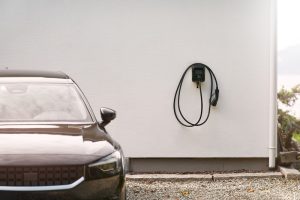
Flooded EV chargers are no joke. Water damage can pose serious risks, from electrical fires to malfunctioning equipment. Acting quickly ensures your charger is safe to use again. Professional help like from Premier EV Charger Installation Orlando is critical in these situations. Only licensed experts can inspect, repair, or replace the charger safely.
If your charger is part of a charging station located at home or at public stations, don’t hesitate. Schedule an inspection immediately to avoid more trouble down the road. Whether you rely on a charging session for daily commuting or long trips, keeping your charger in working condition is key.


