
Understanding the EV charger installation cost—whether for your cozy home or your bustling business—is like piecing together a puzzle. Each piece represents a different factor affecting the total price, with the location being one of the most significant pieces. Your EV charging costs can differ widely based on where you live or where your business is situated.
Think of it this way: just as the cost of real estate varies from city to city, so too does the cost of installing an EV charger. Local regulations, distance to the nearest electrical panel, and even regional electricity use rates play a part. These factors can either increase your upfront costs or, with the proper planning, help you save money in the long run.
Are you ready to explore how location shapes your EV charging plans? Let’s explore the key factors that make each installation unique.
Regional Differences in EV Adoption Rates
The EV charger installation cost can vary greatly based on EV adoption rates in your area. In urban centers where electric vehicles are as common as coffee in the morning, the demand for EV charging stations drives infrastructure to grow fast and competition is high. This means more options for professional installation.
High Adoption Regions
Take California and New York, pioneers in green policies and EV adoption. In California, the EV market has exploded, with registrations jumping over 60% between 2021 and 2022, leading to an average of 25.02 EVs per 1,000 vehicles. This surge has cultivated a dense network of EV charging stations, making installations more routine and cost-effective due to seasoned electricians and established infrastructure. The result is a competitive market for installations and potentially lower costs for consumers, setting a standard for other high-adoption areas.
Low Adoption Regions
In the rural Midwest, the landscape is different. Here, EV chargers might be as rare as a downtown bustle. With fewer electric vehicles, there are fewer charging stations and fewer professionals with EV charger installation expertise. This scarcity can drive up an EV charger installation cost as specialists may need to travel further and source more equipment to get your home charging station up and running.
Understanding these regional differences can impact not only the overall cost but also the ease of installation. Whether you’re in a high-tech city or a rural countryside, knowing these can help you manage initial costs and make smarter decisions on where and how to install your EV charger.
Local Regulations and Permit Requirements

Trying to figure out the EV charger installation cost is like untangling a web of local regulations. Each area has its own rules that can add up to significant expenses. Getting the proper permits is critical; understanding these costs upfront will save you headaches later.
Urban vs. Suburban Permit Costs
When it comes to permit costs, the location plays a significant role. In urban areas, the costs are generally higher due to more complex zoning and stricter building codes.
However, in suburban areas, the less complexity often translates to lower fees, potentially leading to significant savings. It’s important to note that these expenses can vary by location.
Incentives and Rebates by Location
Local incentives, ranging from tax credits to rebates, can kickstart your electric vehicle journey. These can significantly reduce your upfront costs, especially in areas that promote renewable energy and EV adoption. Always check local resources to see what you can plug in to offset your EV charger cost.
Site-Specific Factors Influenced by Location
When planning your installation, the exact spot you choose on your property can make a big difference in the EV charger installation costs. Let’s dig into how specific site choices can ramp up or reduce your expenses.
Distance from Electrical Panel
The longer the distance from your electrical panel to the planned EV charging station, the more wiring needed, and thus, the higher the material and labor costs. Keeping the charger closer can cut down on these expenses significantly.
Accessibility of Installation Site
Tough-to-reach areas can also drive up your EV charger costs due to the extra time and specialized equipment needed for electrical work. An easily accessible installation site not only speeds up the process but might also reduce the need for extensive home electrical wiring modifications, saving you a small monthly fee in extra charges.
Local Labor Costs and Availability of Installers
The EV charger installation cost isn’t just about parts—it’s also about people. Depending on where you live, the availability and cost of qualified installers can vary significantly, impacting your overall expenses.
High-Demand Urban Areas
In bustling cities, high demand for EV chargers means labor costs might be higher, but you’ll also find a wealth of experienced, specialized installers. This competition can mean more options and potentially faster service, despite the higher price tag.
Low-Demand Rural Areas
Conversely, in more remote areas, while you might benefit from lower labor rates, the scarcity of qualified installers could add extra costs. Often, installers need to travel longer distances to reach you, which might increase the installation costs—a crucial factor to consider when planning your EV charging setup.
Understanding EV Charger Installation Cost for Your Next Project
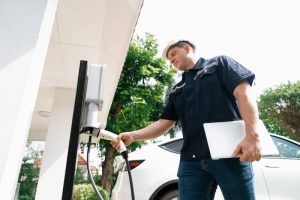
Location profoundly influences the EV charger installation cost. As you plan your next EV project, it’s essential to consider these location-specific factors carefully. Whether it’s urban density, regional labor rates, or local permitting requirements, each aspect can significantly impact the overall cost.
Premier EV Charger Installation Orlando offers expert guidance and installation services for those in the Orlando area, ensuring you receive the best value and efficiency from your installation. Consider all these elements to optimize your approach and investment in solar-powered EV charging solutions.


